Pokemon Card Condition Guide
What Near Mint, Lightly Played, Moderately Played, Heavily Played, and Damaged actually mean, and how condition changes what a Pokemon card is worth.
The exact same card, same set, same print run, can sell for wildly different prices depending on how it looks and feels in hand. A sharp, Near Mint copy of a valuable card can sell close to full market price, while a well-loved copy of the same card, with rounded corners and a bent edge, might sell for far less, even though it's technically the same card.
Condition is a judgment call, not an exact science, which is why it helps to know what buyers and sellers actually mean by each term. Already know which card you have and just want its current value? Check its market price first, then come back here to judge the condition yourself.
Scan and price cards instantly in the Double Holo app


Near Mint (NM)
A card that looks like it just came out of a fresh pack. It doesn't have to be flawless under a loupe to count as Near Mint, but there should be nothing visible under normal light.
What to look for
- Edges. Clean and smooth, no nicks, roughness, or fraying along any side.
- Corners. Sharp points with no whitening, no soft or rounded tips.
- Surface. No scratches, indentations, print lines, or scuffing you can see or feel.
- Centering. Reasonably even on both axes. Slight off-centering is still normal for NM.
How it affects value
Commands the top of the card's price range. Near Mint is the baseline every other condition, and every graded submission, gets compared against.
Lightly Played (LP)
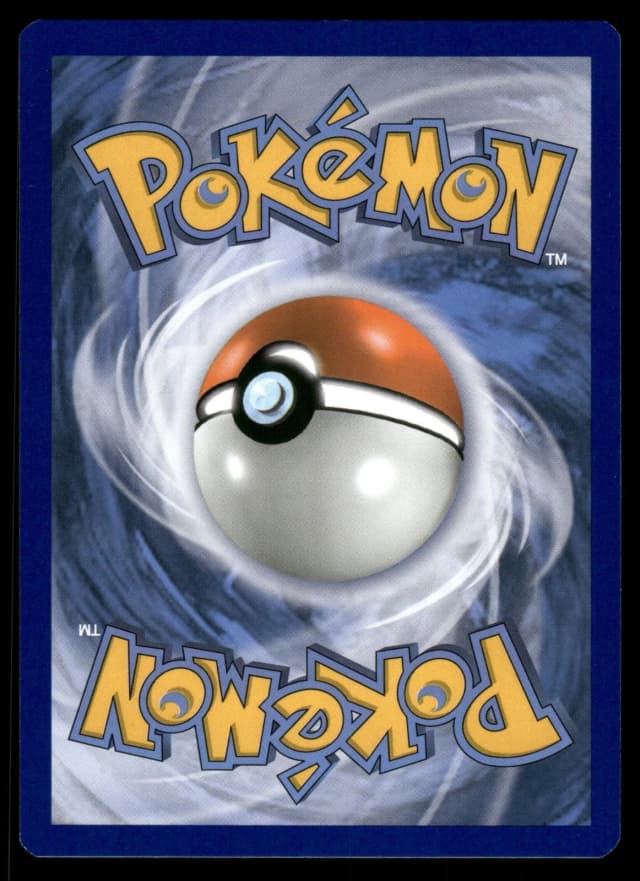
A card with light handling wear that's easy to miss at a glance: one or two minor flaws rather than obvious damage.
What to look for
- Edges. A small nick or light scuffing along one edge, nothing that runs the full length.
- Corners. The faintest whitening or softness at a single tip.
- Surface. A few minor scratches, usually only visible at an angle under bright light.
- Centering. Still reasonably close, though it may lean slightly more than an NM copy.
How it affects value
Usually still sells for a solid share of the Near Mint price, especially when the flaw is small and doesn't change how the card displays. Expect a real discount versus NM, but not a steep one.
Moderately Played (MP)
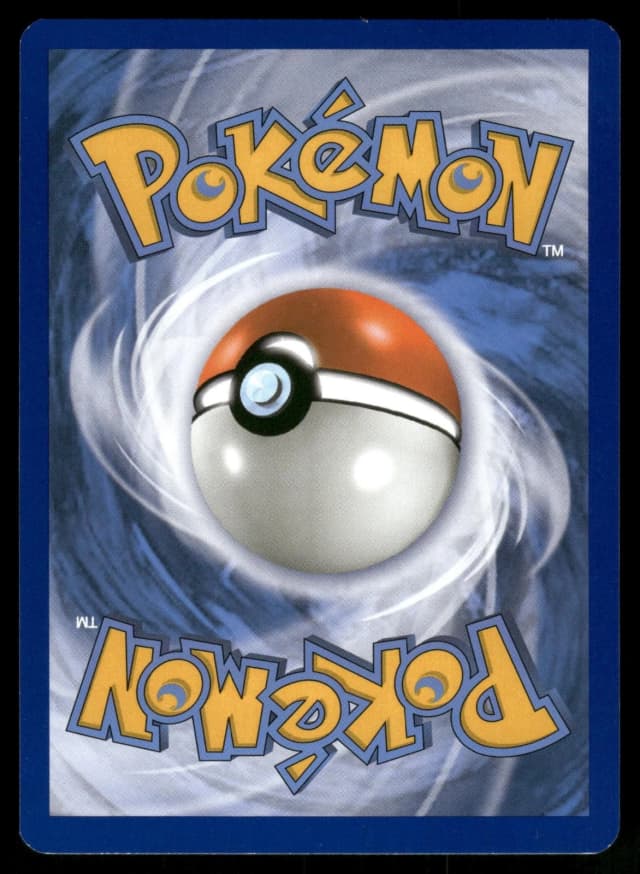
A card with clear, visible wear. Whatever flaws it has don't need close inspection to notice.
What to look for
- Edges. Wear along one or more sides, sometimes with small chips.
- Corners. Noticeable rounding or whitening on more than one corner.
- Surface. Visible scratches, scuffing, or minor surface indentations.
- Centering. May be noticeably off on one or both axes.
How it affects value
Sells for meaningfully less than a Lightly Played copy, and the gap widens the more visible the combined wear is.
Heavily Played (HP)
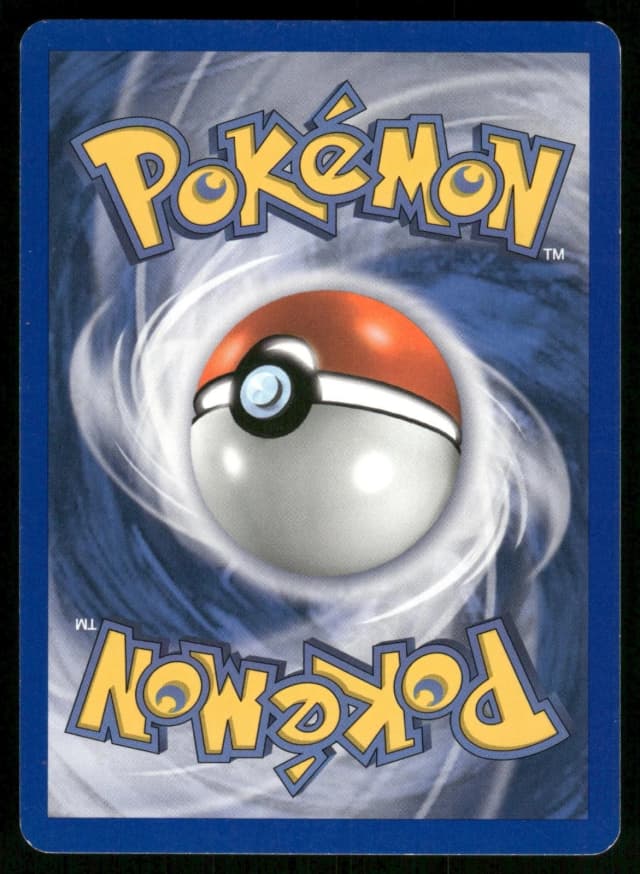
A card that's seen a lot of handling, or wasn't cared for. Still complete and legible, but the wear is significant.
What to look for
- Edges. Heavy wear, sometimes with visible chipping or fraying.
- Corners. Soft, frayed, or heavily rounded on multiple corners.
- Surface. Deeper scratches, creasing, or surface staining; sometimes small dents.
- Centering. Can be well off, with a noticeably uneven border.
How it affects value
A steep drop from Moderately Played. Common cards in this condition may be worth very little, though rare or vintage cards can still hold meaningful value even heavily played.
Damaged (DMG)
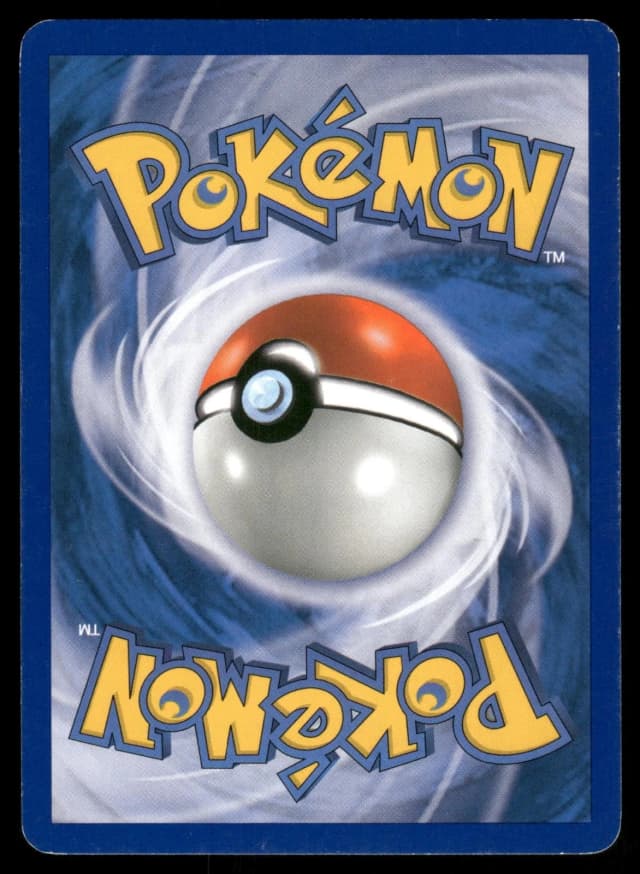
A card with structural damage that goes beyond normal wear. This is the floor of the condition scale.
What to look for
- Edges. Tears, missing chunks, or damage that breaks the edge of the card.
- Corners. Missing or badly torn corners.
- Surface. Creases or bends that break the surface, water damage, heavy staining, writing, or hole punches.
- Centering. Often irrelevant at this point next to the structural damage itself.
How it affects value
The lowest tier. Most damaged cards sell for a small fraction of their Near Mint price, sometimes just enough to complete a set or for sentimental value, though extremely rare cards can remain collectible even damaged.
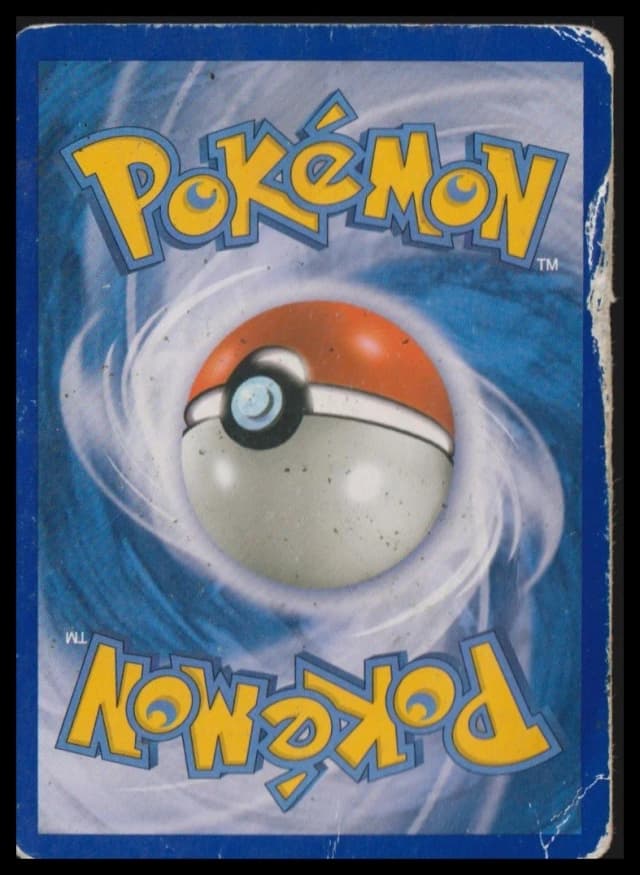
Raw vs graded
The conditions on this page (Near Mint, Lightly Played, Moderately Played, Heavily Played, and Damaged) describe how sellers and buyers talk about raw, ungraded cards. Professional grading companies like PSA, BGS, CGC, and TAG go a level deeper: instead of one of five buckets, they assign a numeric grade, like a PSA 9 or a BGS 8.5, based on their own detailed review of corners, edges, surface, and centering.
A professionally graded card removes the guesswork, since the grade comes from an independent third party rather than a seller's own description, and the card is sealed in a tamper-evident holder so the condition can't change after the fact. That's a big part of why graded cards tend to sell for more than the same card raw, even at the same underlying condition.
Grading costs money and takes time, and it isn't always worth it. It tends to make the most sense for cards that are already close to Near Mint and have meaningful value raw, since a card that comes back with a lower grade than hoped can end up worth less than what it cost to submit.
Not sure which card you have?
The Double Holo scanner identifies your card and shows its value in seconds. You judge the condition yourself using this guide, then decide whether it's worth listing raw or sending in for grading.
Frequently asked questions
How do I know if my card is Near Mint?
Check the corners, edges, surface, and centering under a bright, even light. If the corners are sharp with no whitening, the edges are clean, the surface has no scratches or indentations you can see or feel, and the card is reasonably centered, it's very likely Near Mint. When in doubt, compare it side by side with a card you know came straight out of a pack.
Does a small scratch make a card LP?
It depends on how visible the scratch is. A faint surface scratch that only shows up at an angle under bright light, with everything else about the card in good shape, usually still fits Lightly Played rather than a lower grade. A deep or obvious scratch, especially combined with other wear, points toward Moderately Played instead. Condition grading looks at the whole card, not just one flaw.
Is it worth grading an LP card?
Usually not, unless the card is rare or valuable enough that even a lower grade is worth something. Grading companies will still assign a numeric grade to a Lightly Played card, but it will land well below a 9 or 10, and the grading fee and wait time may not pay off for a card that isn't going to jump much in value from being slabbed. Grading tends to make the most sense for cards that are already close to Near Mint.
Do sellers price by condition?
Yes. Condition is one of the biggest factors in what a raw card is priced at, right alongside rarity and demand for that specific card. Most marketplace listings, including Double Holo's, let you filter or sort by condition, and honest sellers describe flaws clearly rather than relying on a single generic photo, since a buyer who feels misled about condition is a buyer who won't come back.